
What is Funnel Marketing and How Does It Help You Scale?
Let’s be honest “funnel marketing” sounds like one of those stiff, corporate buzzwords that people throw around without really explaining what it means. But if you are a business owner, a marketer, or even just someone trying to grow something online, this concept is worth understanding.
Because when done right, a marketing funnel does not just help you get more customers, it helps you grow in a way that’s sustainable, repeatable, and far less stressful.
Let’s break it down in plain English.

So, What Is Funnel Marketing?
Picture a funnel the kind you’d use in the kitchen. Wide at the top, narrow at the bottom
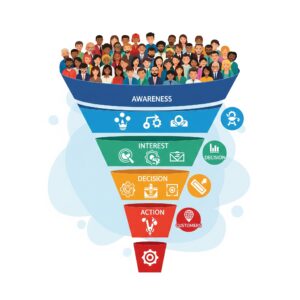
Now imagine that funnel is your customer journey. At the top, lots of people are just discovering your brand. As they move down the funnel, they get more interested, more engaged, and eventually (if you play your cards right), they buy from you.
That’s funnel marketing: guiding people from “just looking” to “ready to buy” with content and messaging that meets them where they are.
And no, it is not about being pushy. In fact, the best funnels feel helpful, not salesy.
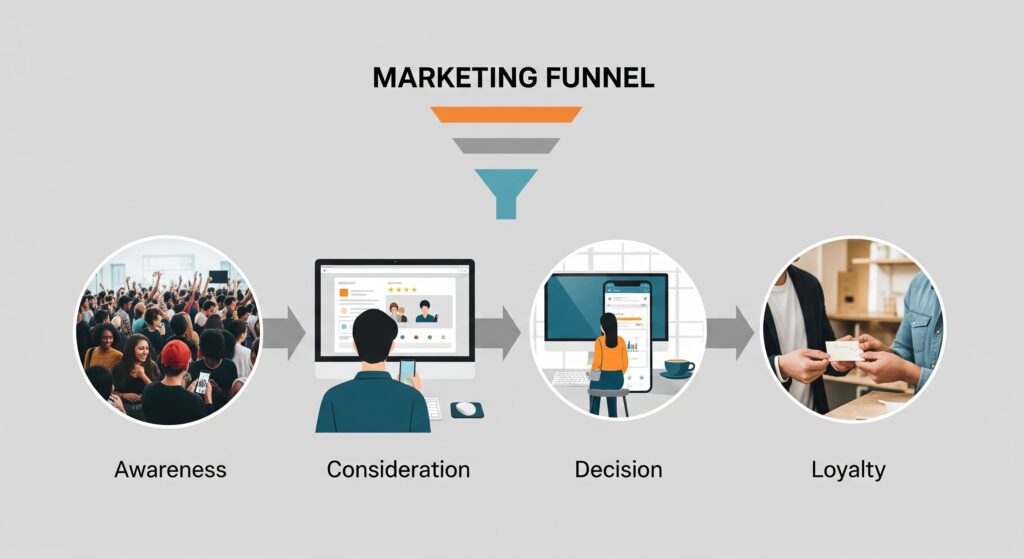
The Four Key Stages of a Marketing Funnel
Different people explain funnels in different ways, but most of them follow the same general structure. Let’s keep it simple:
1. Top of Funnel (TOFU): Awareness
This is the first impression stage. People don’t know you yet. They are just searching for answers to a problem they have or even just browsing out of curiosity.
Your job here is to show up with something valuable: maybe a helpful blog post, a how-to video, or a free downloadable checklist. You’re not selling yet you’re just showing up as someone worth listening to.
2. Middle of Funnel (MOFU): Consideration
Now you got their attention. They are aware of your brand and starting to explore their options. Maybe they have joined your email list, followed you on social media, or downloaded something from you.
This is where you build trust. You might share testimonials, send a few helpful emails, or offer a free trial or consultation. You are helping them see how your solution fits their problem.
3. Bottom of Funnel (BOFU): Decision
Here’s where the magic happens if you’ve done the earlier stages well. At this point, your potential customer is weighing their options and trying to decide if they want to work with you, buy from you, or move on.
You can help tip the scales with things like a strong guarantee, a limited-time offer, or a clear demo of your product or service. The goal? Make it easy and obvious to say “yes.”
4. After the Sale: Loyalty & Referrals
Most people stop at the sale. But the smartest brands? They know that the real growth comes after. Once someone buys from you, it’s the perfect time to turn them into repeat customers or brand advocates.
That might look like thoughtful onboarding emails, exclusive discounts for returning customers, or just genuinely checking in to make sure they are happy.
Why Funnels Help You Actually Scale
Funnels are not just a way to organize your marketing. They are the backbone of growth. Here is why they matter so much if you are trying to scale without burning out:
1. They Help You Say the Right Thing at the Right Time
When you know where someone is in the funnel, you stop blasting the same message to everyone. You don’t ask someone to buy from you five seconds after they have just discovered your blog.
Instead, you guide them gently. You build a relationship first. And when you do that, people are more likely to trust you and to buy when the time is right.
2. They Make Your Marketing More Efficient
Funnels let you get smarter with your ad spend and time. Instead of constantly chasing new leads, you build systems that bring in leads and nurture them while you sleep.
You can track what’s working, fix what’s not, and know where your money is best spent. That’s how you start to scale by making your marketing work for you, not against you.
3. They Build Trust Over Time
Nobody wakes up ready to buy something from a brand they’ve never heard of. Trust takes time.
Funnels give you space to earn that trust by educating, helping, and showing up consistently. By the time someone’s ready to buy, they already feel like they know you. That’s powerful.
4. They Help You Grow Without Guesswork
One of the best parts of a funnel? It gives you clarity. You can see where people are dropping off. Maybe they’re not opening your emails. Maybe they’re clicking the “Book Now” button but not following through.
Now you know what to fix. You’re not guessing anymore you’re optimizing.
5. They’re Scalable
The beauty of funnels is that once you have built one that works, you can keep refining and growing it. You can automate parts of it with email tools, CRMs, or retargeting ads.
And that means you can scale without doubling your workload every time you get more leads.
Real-Life Example
Let’s say you run an online fitness coaching business.
- Someone sees your Instagram Reel about “3 Mistakes People Make in Their First Week of Working Out.”
- They click over to your profile and download your free beginner’s workout plan in exchange for their email.
- Over the next week, you send them a few short emails: some tips, a client transformation story, a behind-the-scenes look at how your coaching works.
- On day six, you offer a free call or discounted trial for your 4-week program.
- They join. A month later, you offer your premium 1:1 coaching and they say yes.
That’s a funnel. And it can run over and over again with small tweaks that make it even better every time.
Tools That Can Help You Build a Funnel
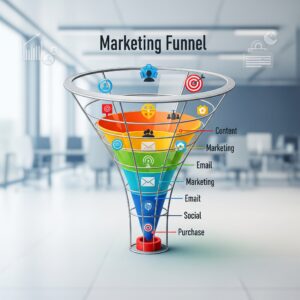
You don’t need to be a tech wizard to get started with funnels. There are plenty of tools out there to help:
- Email tools: Mailchimp, ConvertKit, ActiveCampaign
- Landing pages: Leadpages, ClickFunnels, Instapage
- CRMs: HubSpot, Zoho
- Ad platforms: Facebook Ads, Google Ads, YouTube Ads
- Analytics tools: Google Analytics
Even a simple email list , one landing page and a strong offer can be a great place to start.
Final Thoughts
Funnel marketing is not just for big brands or marketing pros. If you’ve got a product or service to offer and a group of people who could benefit from it, a funnel helps you connect the dots.
It’s not about tricking people into buying. It’s about guiding them through a journey, answering their questions, and helping them feel confident in choosing you.
When you build a funnel that genuinely helps people make a decision, you are not just selling, you are serving. And that’s the kind of marketing that does not just scale businesses. It builds trust, loyalty, and long-term growth.
